Rapid Tactics Generation
Simulation systems require extensive programming which makes their development prohibitively
expensive.
This project, completed for the US Office of Naval Research, focused on developing machine learning
techniques
for automatically generating computational models of behavior through task demonstration by human experts.
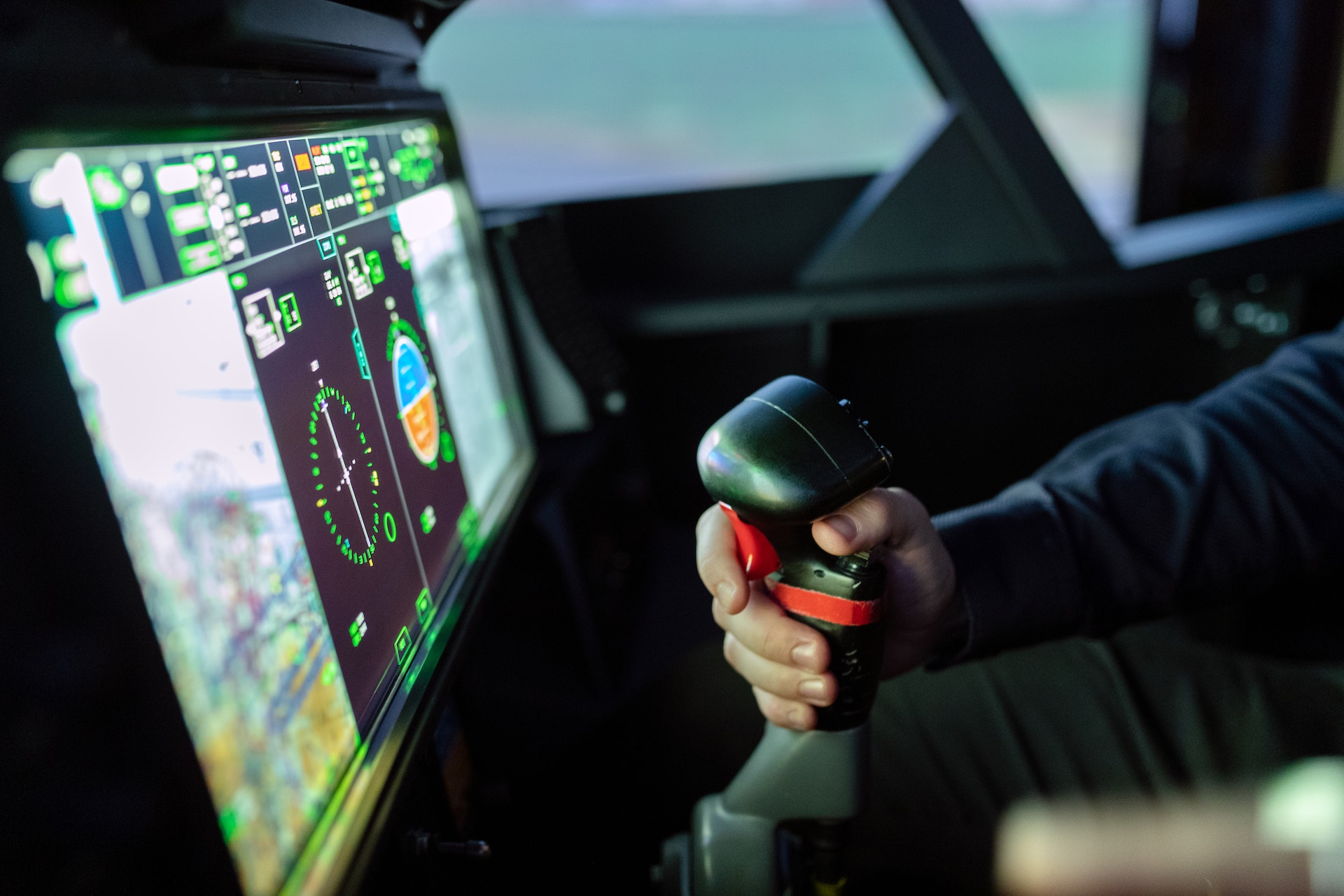
Rather than programming flight maneuvers, we had real pilots execute tasks in a simulator and recorded their
performance in detail (eye tracking, physiology monitoring, control inputs). Using these data, we developed
techniques to learn to mimic their behavior (without programming it).
Our goal was to meet our customers' need for high-fidelity, low-cost virtual entities in simulation-based training
and gaming markets
To
this end, I lead a team to develop novel machine learning algorithms and to develop a system to enable
experts
to demonstrate tasks in short vignettes.

The first challenge in this project was to distill the behavoiur of a subject matter expert into something a
machine learning system could leverage. We approached this by using cognitive task analysis in concert with
eye-tracking to decompose task performance into subtasks that machine learning could approach. These tasks needed
to be relatively compact and well-constrained (even now, open-ended driving, for example, isn't realistic). This
task decomposition then provided the "skeleton" upon which to hang individual machine learning models.
Given a task structure we obtained from working with a human expert, we developed a statistical machine learning
algorithm specialized for these tasks. The algorithm needed to be abnle to learn from real-time streams and
incorporate refining demonstrations provided by the expert (this was model development through demonstration, not
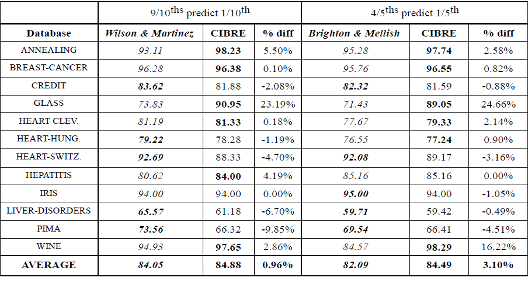
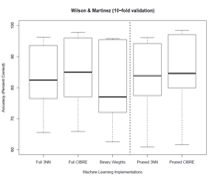
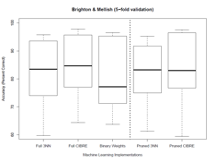
programming!). The tables below show the performance of the algorithm we developed indexed against existing
approaches.
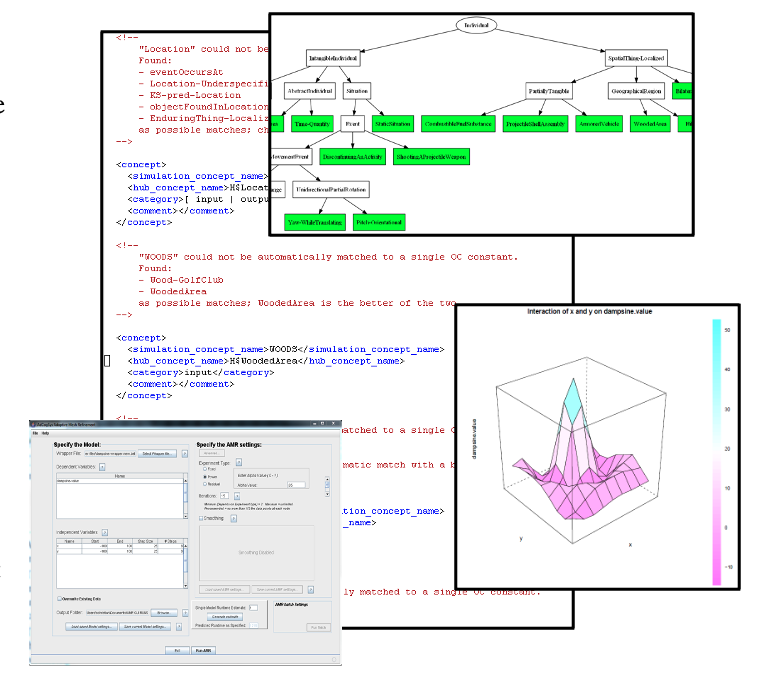
The eventual system consisted of a set of user interfaces for use by non-programmers to define AI models for
tactical game opponents. The interface would guide the expert in constructing a task model, grounded in their own
vocvabulary, but connected to a simulation environment. Using these tools together, they could then demonstrate
the various component tasks that the system would then learn how to perform.